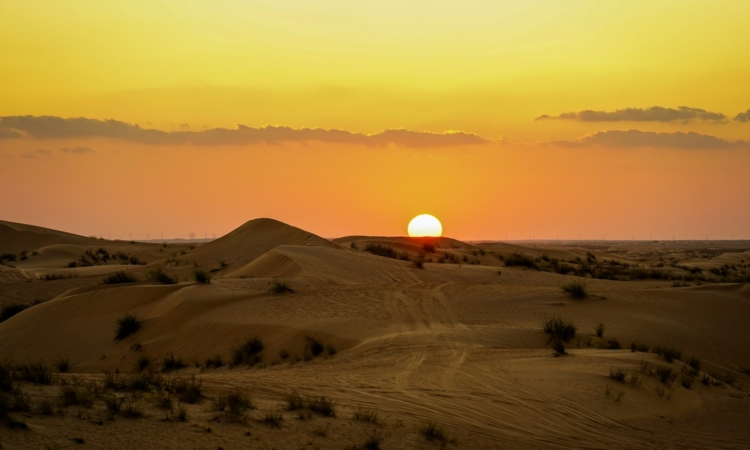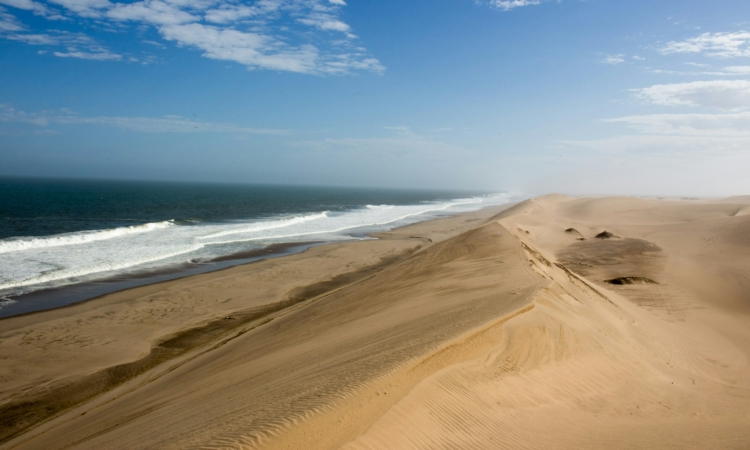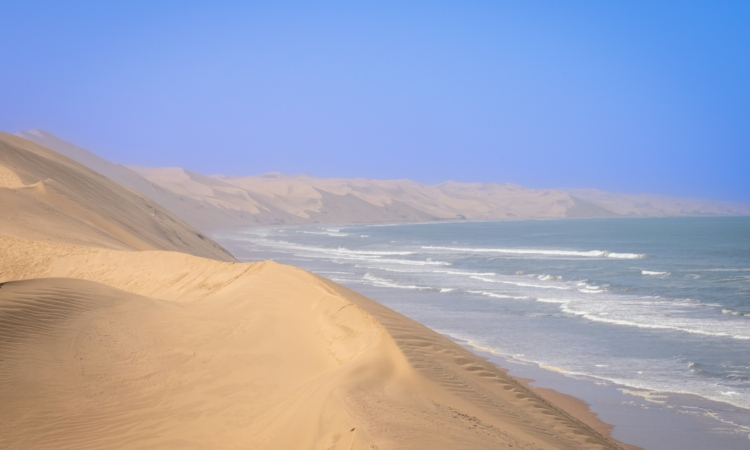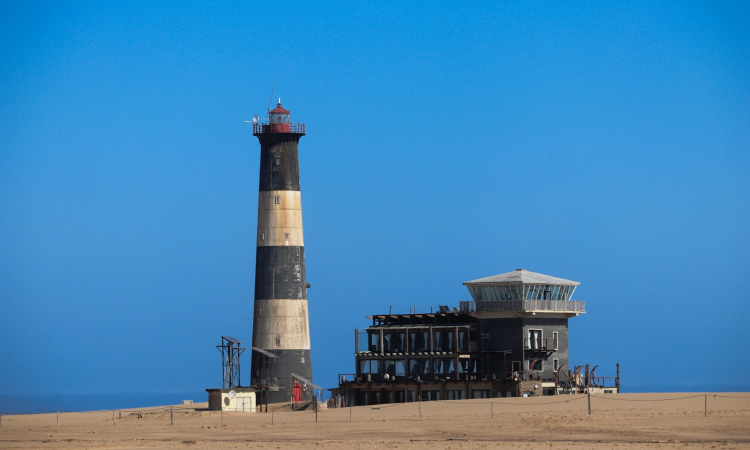

One of Africa’s lesser-known treasures is Namibia’s Skeleton Coast. Along with some surprises, this remote and dry area offers wide views of the sky, sea, and desert.
More plants and animals than many people expect can be found in Skeleton Coast National Park, which protects a large part of the coastline. It is one of Namibia’s most interesting safari areas, where game drives often show great views of Namibian wildlife.
There are only a few high-end lodges in Skeleton Coast National Park. These lodges give travelers a safe and comfortable base for exploring the area. You can explore the beach and land behind it by 4×4 or on foot.

The landscape includes dunes, short-lived river valleys, and some wooded areas.
From the beaches north of Swakopmund to the Angolan border, Namibia’s coast is filled with shipwrecks and the remains of whale and seal bones. This is why it’s called the “Skeleton Coast.”
For many years, the coast has been known as a dangerous place for sailors, due to rough Atlantic currents, shifting sandbanks, and heavy fog. The local San people called it “The Land God Made in Anger” because of its dangers.
The Skeleton Coast is located in northwestern Namibia. The coastline runs from the Kunene River to the Swakop River. It is about 400 kilometers (311 miles) long and 40 kilometers (25 miles) wide, running along the Atlantic Ocean.
It is part of the larger Skeleton Coast National Park, which covers more than 16,000 square kilometers (6,178 square miles).
Top Reasons to Visit Skeleton Coast

See Shipwrecks & Marine Remains
The shipwrecks and sea animal bones are the main reason the area is called Skeleton Coast. Along the sandy beaches, you can see the remains of ships that were destroyed by the cold, rough Benguela Current.
This area is known as the largest ship graveyard in the world.
Spot Wildlife Unique to Skeleton Coast
Even though the area is dry and harsh, many animals live here. There are about 250 bird species, which bird lovers will enjoy seeing.
Black-backed jackals are seen often, and near freshwater spots, you might also see antelope like gemsbok, kudu, and springbok. Desert-adapted giraffes and elephants can also be found. Some visitors even get lucky and see lions.
Enjoy Solitude & Adventure
The quiet and peaceful environment is one of the biggest reasons to visit. Skeleton Coast is one of the most remote places in the world, with very few visitors. It offers true peace and a strong connection with nature.
At the same time, there are also fun activities to enjoy. You can go on 4×4 wildlife drives, hike sand dunes, take scenic flights over the coast, or ride quad bikes through the desert.
Experience the Unique Landscape
Skeleton Coast is one of Namibia’s most unusual places. Sand dunes lead into salt pans, which turn into dry riverbeds and then into rocky mountains. This mix creates a strange and beautiful landscape.
Because it is so remote and very few people live here, this is one of the most untouched areas on Earth. It is perfect for anyone who wants to explore wide open spaces and feel close to nature.
Learn About Namibia’s Cultural History
Besides its natural beauty, Skeleton Coast also has cultural importance. The Himba people, who are semi-nomadic herders, live along the northern Skeleton Coast. On a safari here, you may get the rare chance to visit a Himba community and learn about their traditions and how they survive in the desert.
How to Get to Skeleton Coast
Getting to Skeleton Coast is harder than reaching other places in Namibia because it is so remote. But travel experts know how to plan the trip well.
If you’re flying to Namibia, you will land at Hosea Kutako International Airport in Windhoek. From there, you’ll be transferred to a smaller airport like Walvis Bay or Swakopmund. From these towns, you can take a small plane to reach Skeleton Coast.
If you prefer driving, your trip will begin in Windhoek or Swakopmund. Be aware that the roads can be rough in some areas, so you must use a 4×4 vehicle.